Long-form notes on the places we actually take people: neighbourhoods, night markets, train stations, and the small decisions that make a trip feel easy.
China reopened fast, and the rules are not one rule. This section separates unilateral entry, treaty exemption, 240-hour transit and regional schemes — because turning up on the wrong one gets you refused at check-in.
The single biggest pre-trip anxiety. The honest version: your phone will work better than you expect if you set it up on the ground in your home country, and much worse if you leave it to the airport.

For most tourists the answer is no — if you bought the right data plan. For anyone relying on hotel Wi-Fi or a local SIM, the answer is yes, and a reliable one.

Camera translation is solved. Conversation translation is not. Knowing which half works offline decides whether your phone is useful in a basement noodle shop.
China skipped plastic and went straight to QR codes. Your foreign card still has a role, but it is a supporting one. Set up two wallets before you fly and you will never queue at an ATM.
Forty-five thousand kilometres of high-speed line, a booking system designed for Chinese ID cards, and stations the size of airports. Everything here is about the twenty minutes before you board.
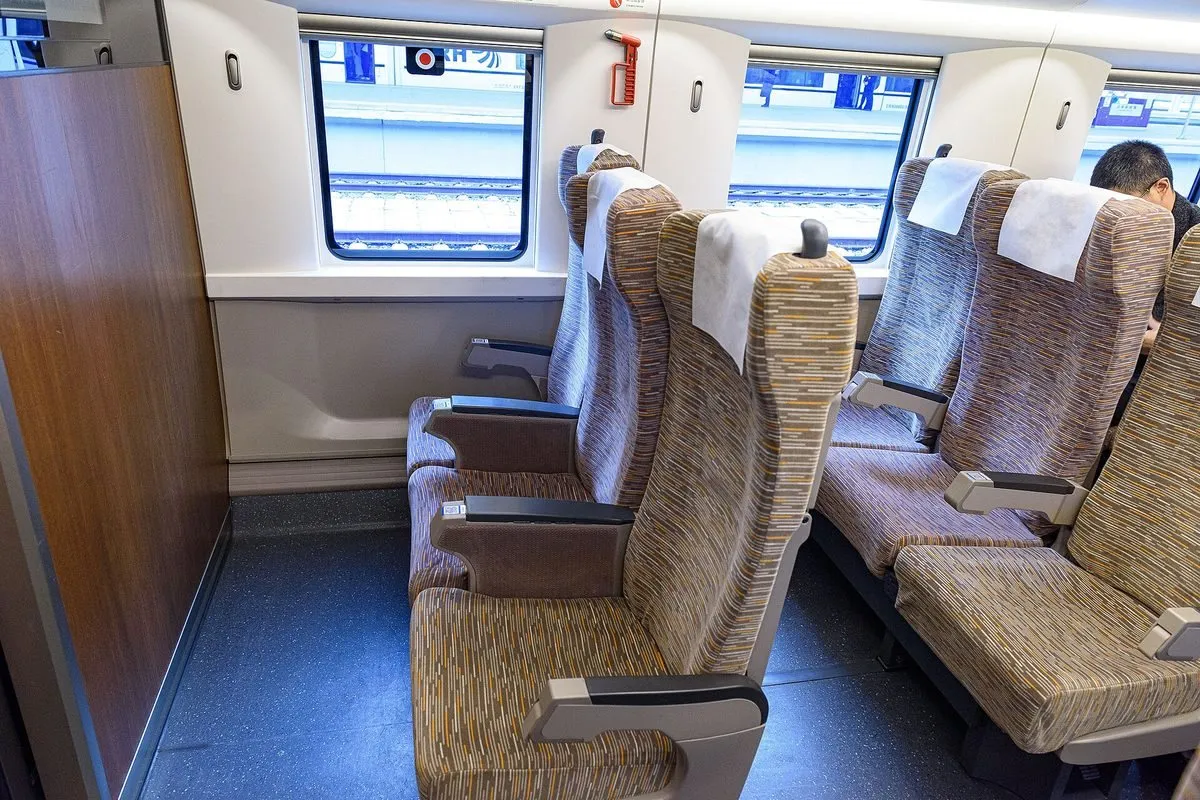
The written limit is 20 kg. The real limit is whether you can lift your own case onto a rack above your head while the train waits for nobody.
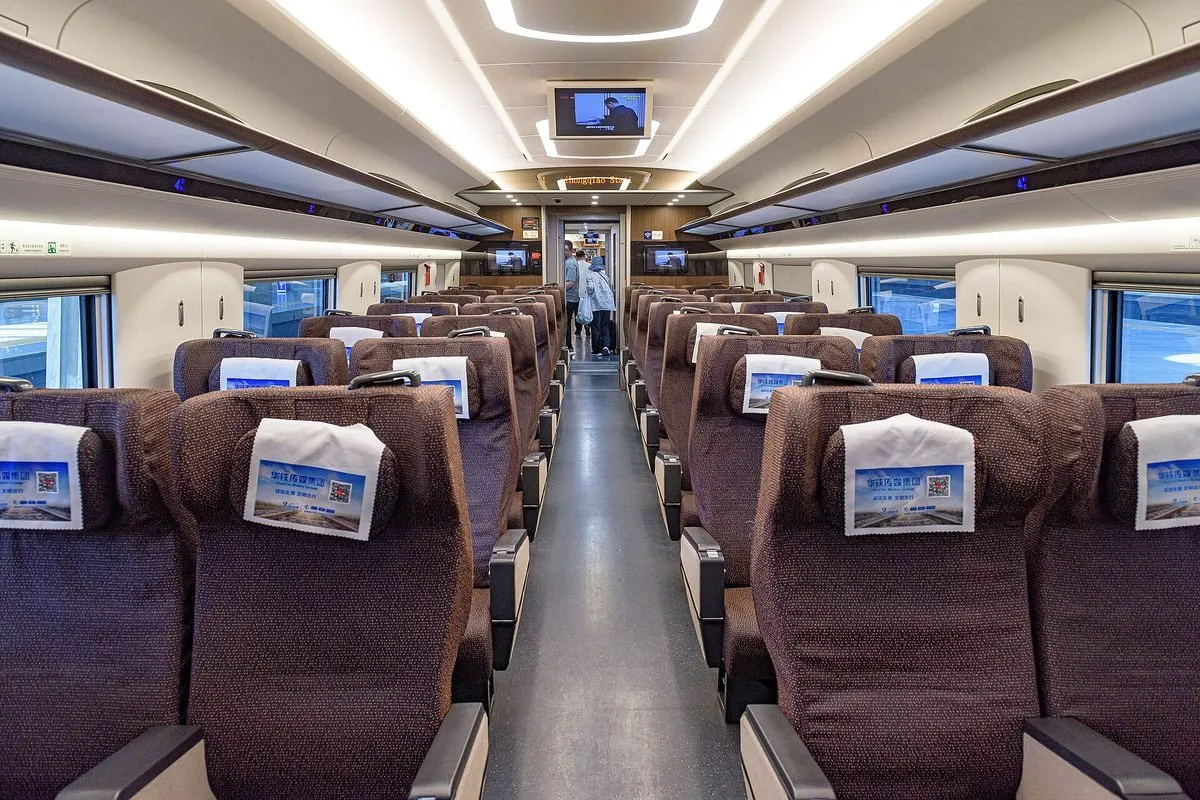
Second class is genuinely fine. First class is worth it on exactly one condition: legs over five hours.
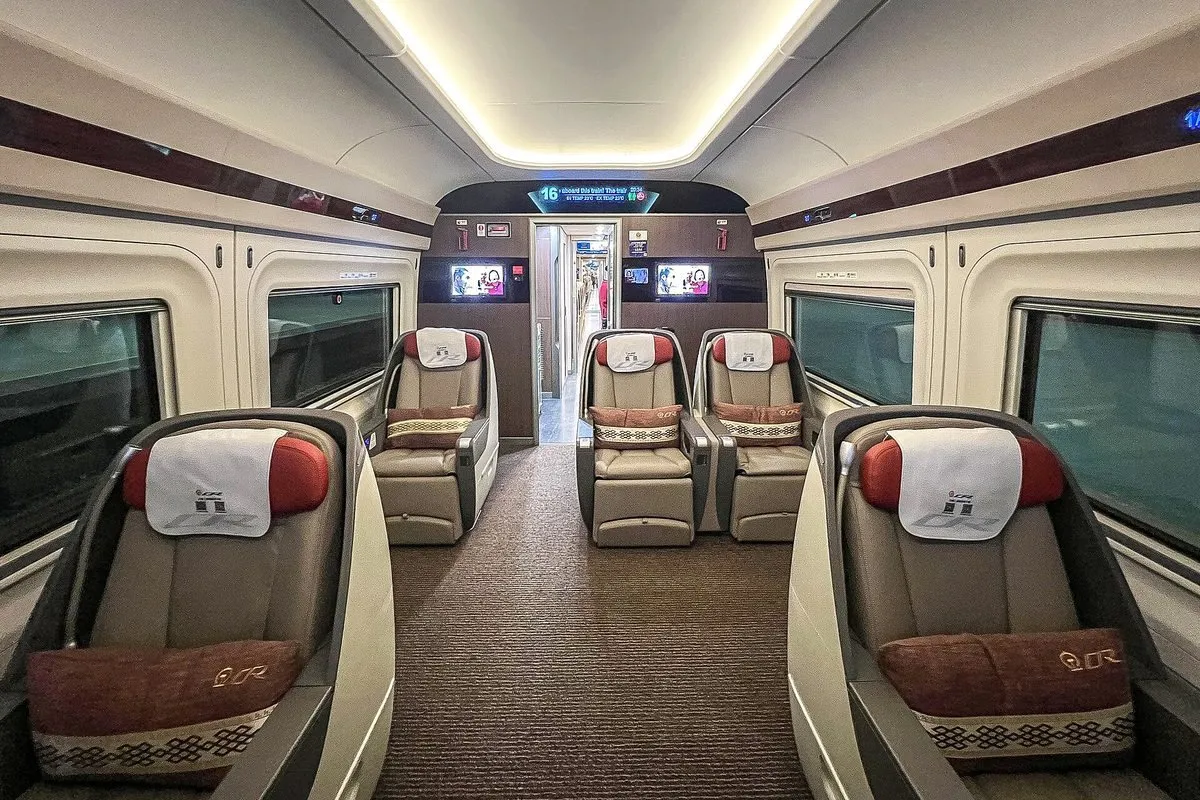
The busiest high-speed corridor on earth, running every twenty minutes, connecting two cities that could not be more different. Get the station right and it is effortless.
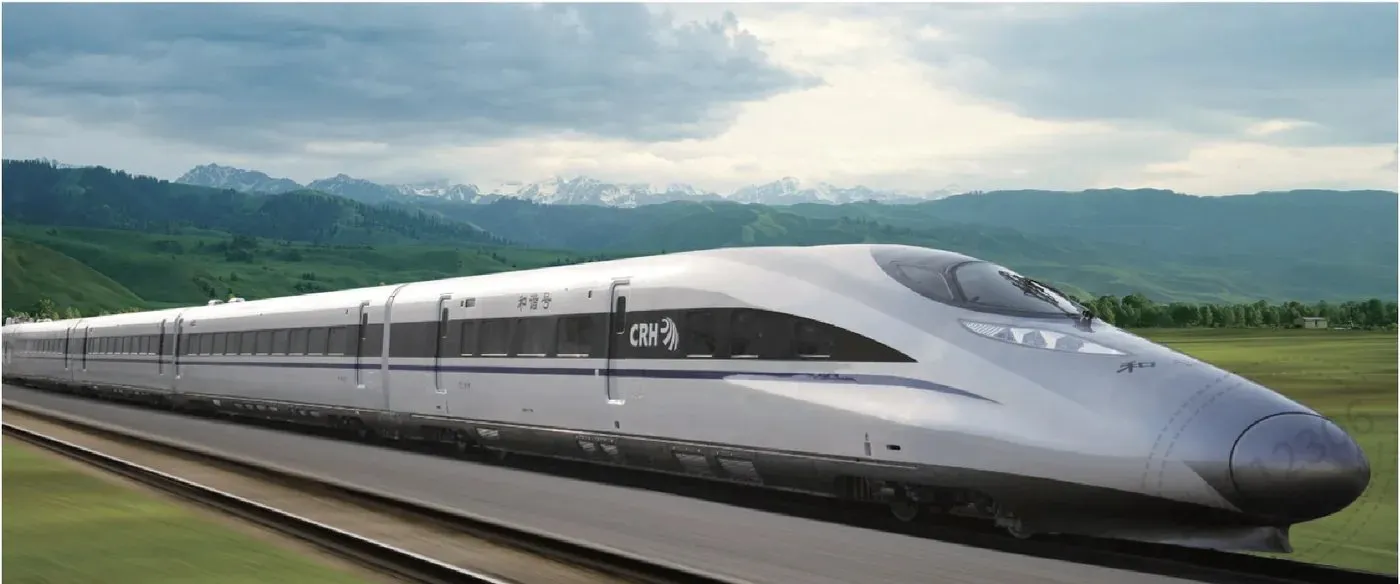
Three hours that pass through a mountain range significant enough to have separated two cuisines for two thousand years. Book a window seat on the right.

There is a high-speed station called Yangshuo that is 40 minutes from Yangshuo. This single fact has ruined more itineraries than any other in Guangxi.
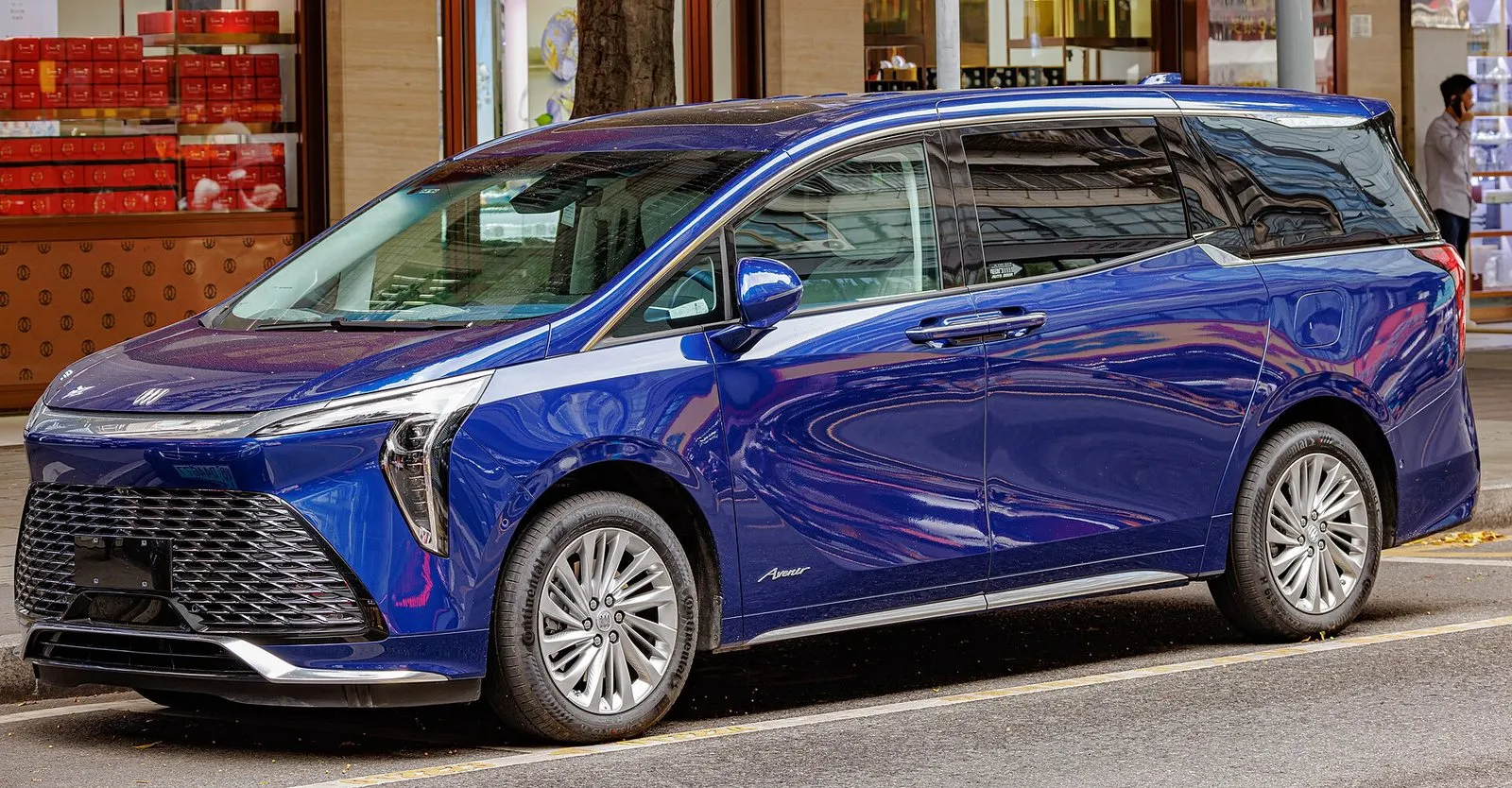
Chinese airport taxis are cheap and metered. Private transfers cost more and remove decisions. Here is the actual arithmetic for the airports you will use.
Chinese food is regional, seasonal and intensely local. This section is about the mechanics — reading a menu, ordering for a table, handling allergies — plus the dishes worth crossing a city for.
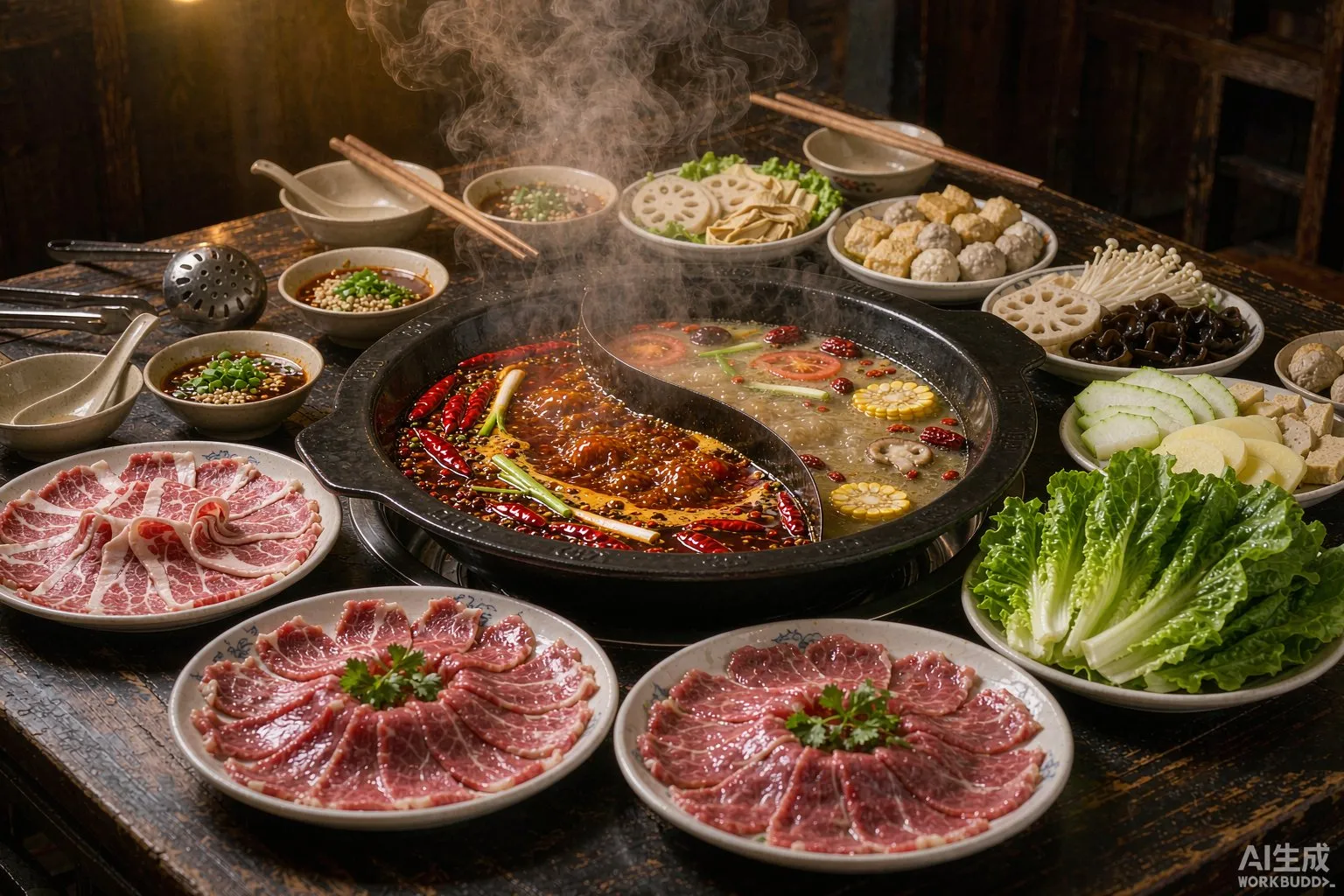
“Chinese food” is eight traditions that share a technique, not a flavour. Knowing which one you are in explains every menu you will read.
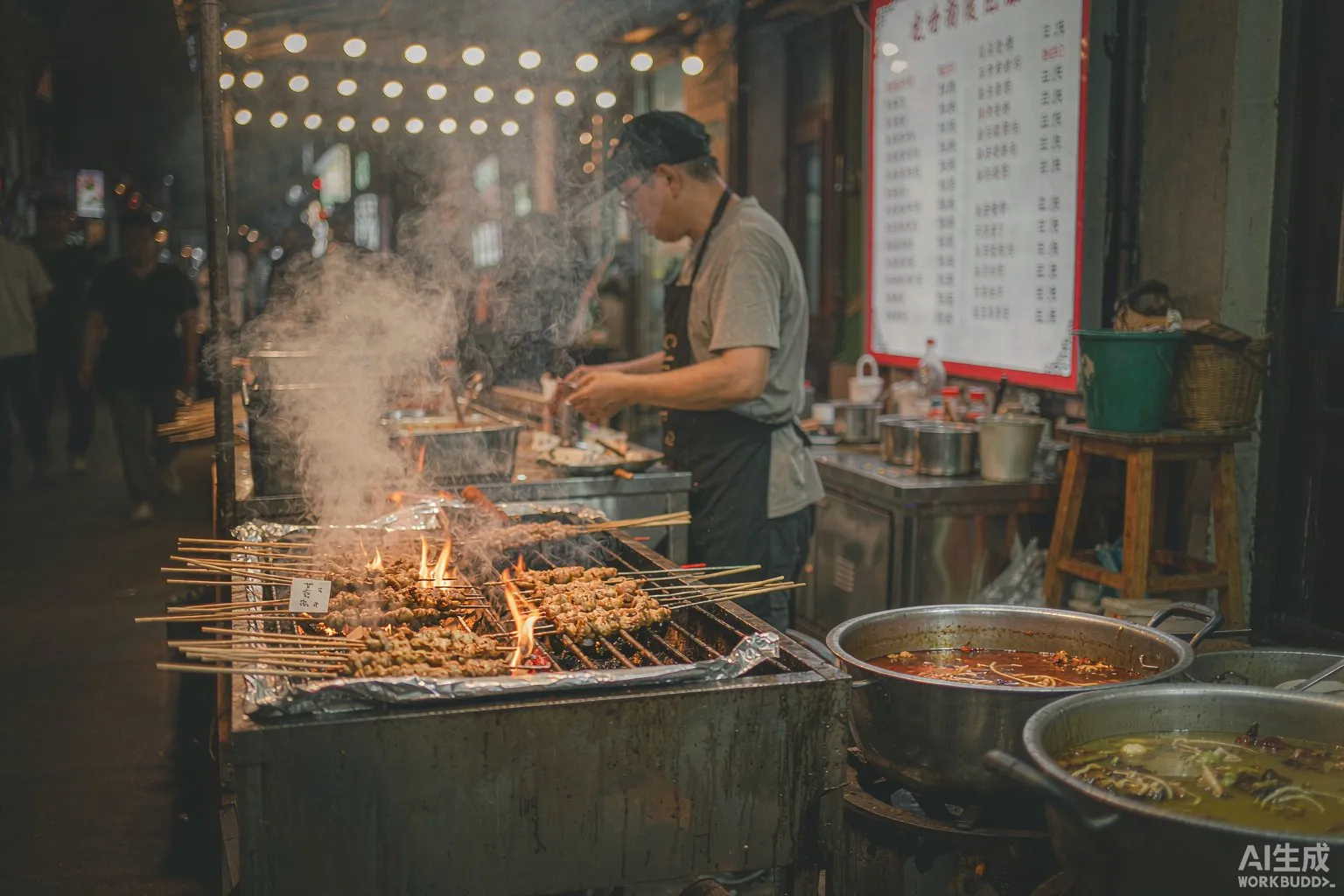
The rule that keeps people well in China is the same one that works in Bangkok or Mexico City: eat where the queue is short-lived and the cooking is in front of you.

China has a long vegetarian tradition and a lot of hidden pork fat. Both are true. The difference is knowing the four phrases and the two types of restaurant.
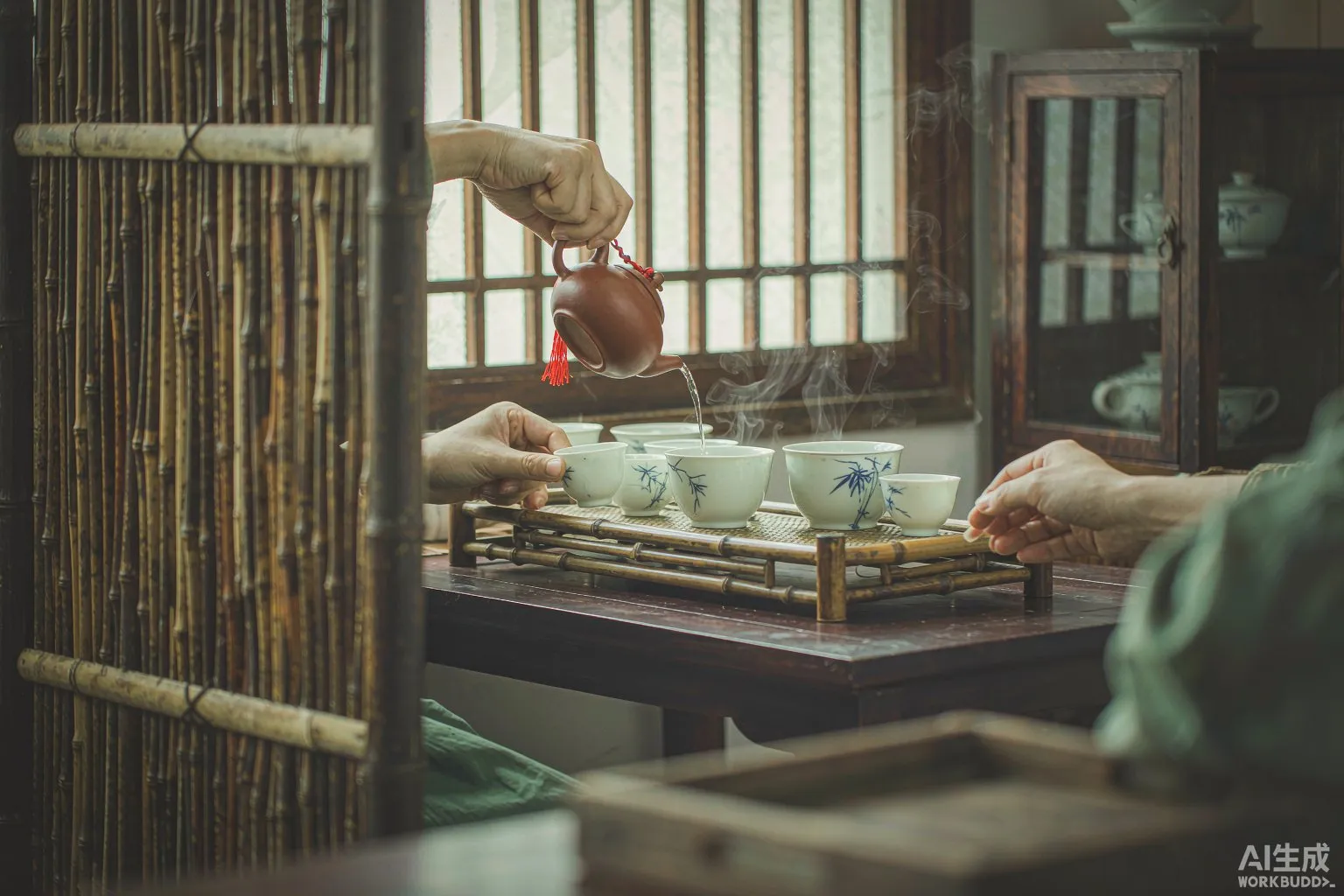
You do not need a ceremony. You need to know four categories, one price range, and the one scam that still works on travellers.
Nothing here is exotic. It is the ordinary stuff — how to hand over a card, how loud is too loud, when a queue is not a queue — that decides whether a trip feels smooth or awkward.
Most China itineraries fail for one reason: too many cities, too little time on the ground. These are the frameworks we use when we build a route for a guest.
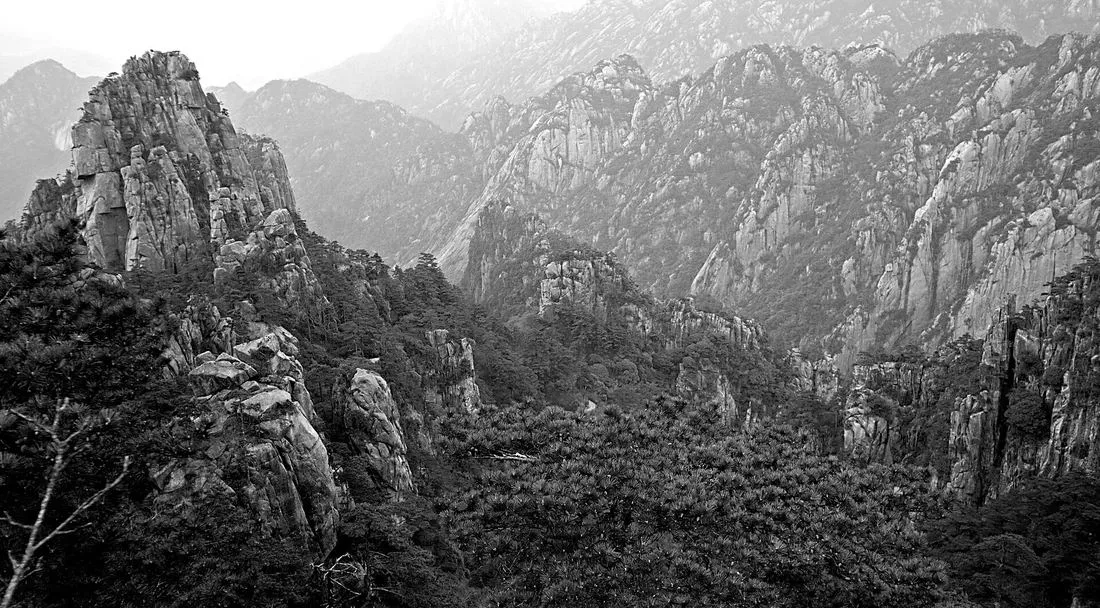
Most first China itineraries fail the same way: five cities in twelve days, half of it spent in stations. The fix is arithmetic, not taste.

China spans the same latitudes as Europe plus a tropical south and a Siberian north. There is no single best month — only a best region for your month.
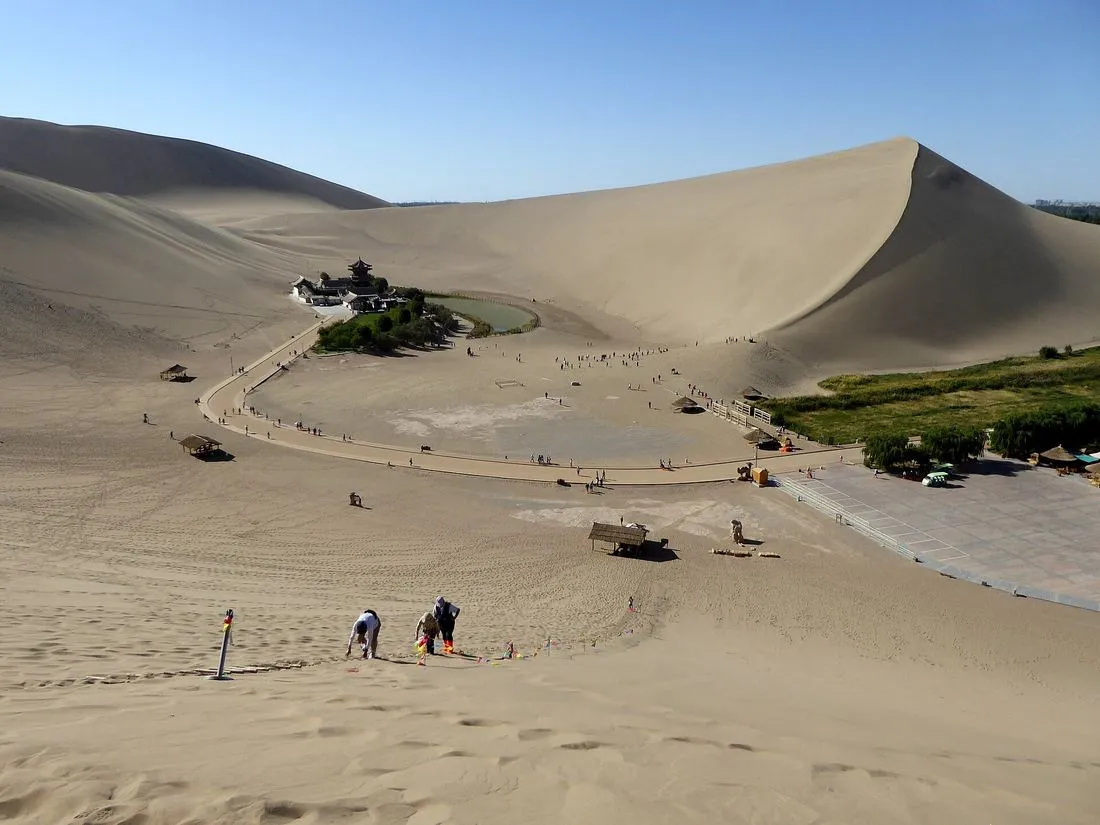
China is cheap in the ways Europe is expensive — food, transport, entry tickets — and expensive in the ways nobody mentions: internal flights and last-minute hotels in holiday weeks.

A guide is the single largest discretionary line in most China budgets. Here is exactly what the number buys, so you can decide whether it is worth it for your trip.
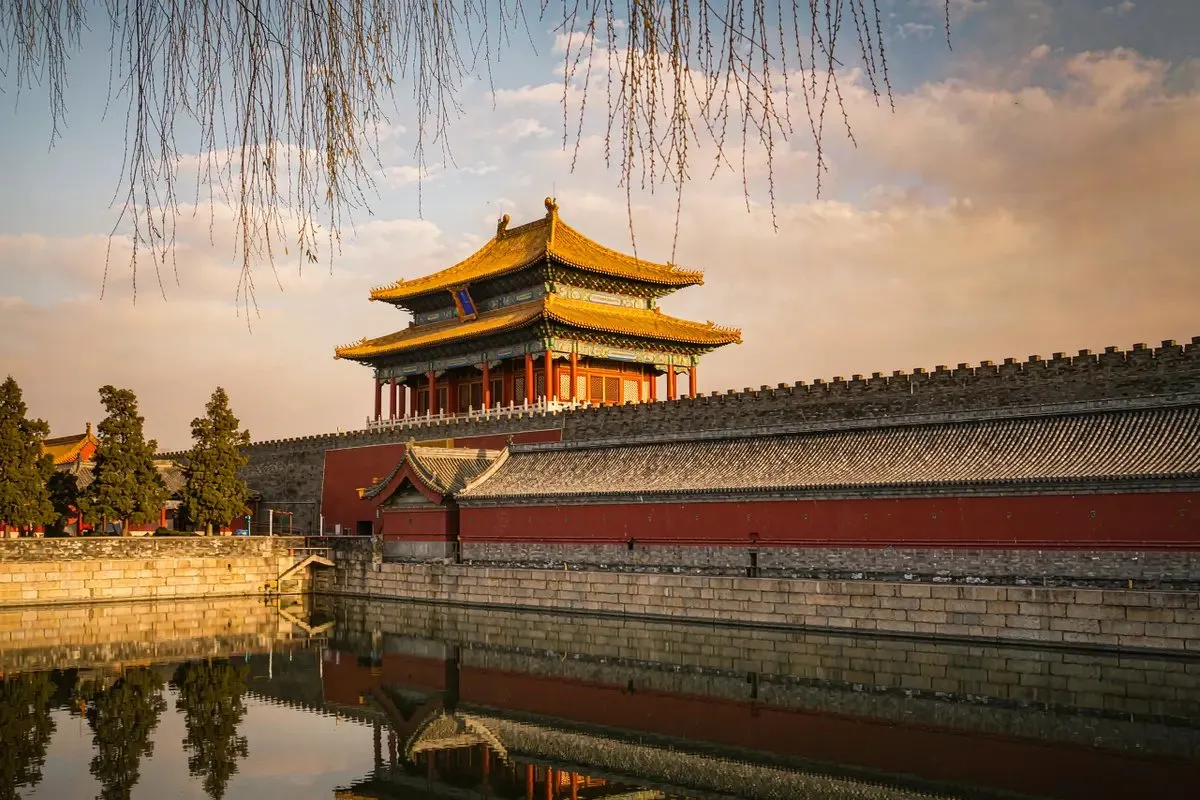
The mistake is doing the Wall on day one and being too tired for anything afterwards. Put it in the middle, and put the Forbidden City on the morning you are freshest.
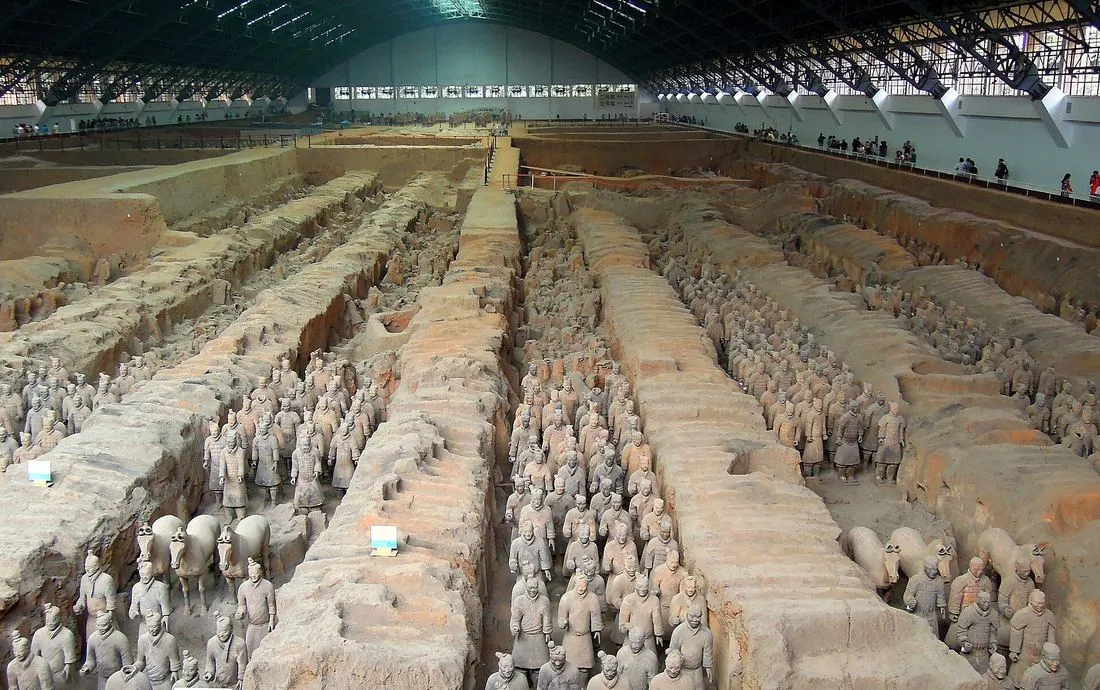
Xi’an is the most rewarding two-and-a-half-day city in China, and the only one where the food street is a genuine historical site.
The famous sites in China now run on timed reservations, real-name tickets and separate gates. Knowing the mechanism in advance is worth more than any list of “top 10”.

The Wall is 21,000 km long and you will visit about 3 km of it. Choosing the right 3 km is the whole decision.
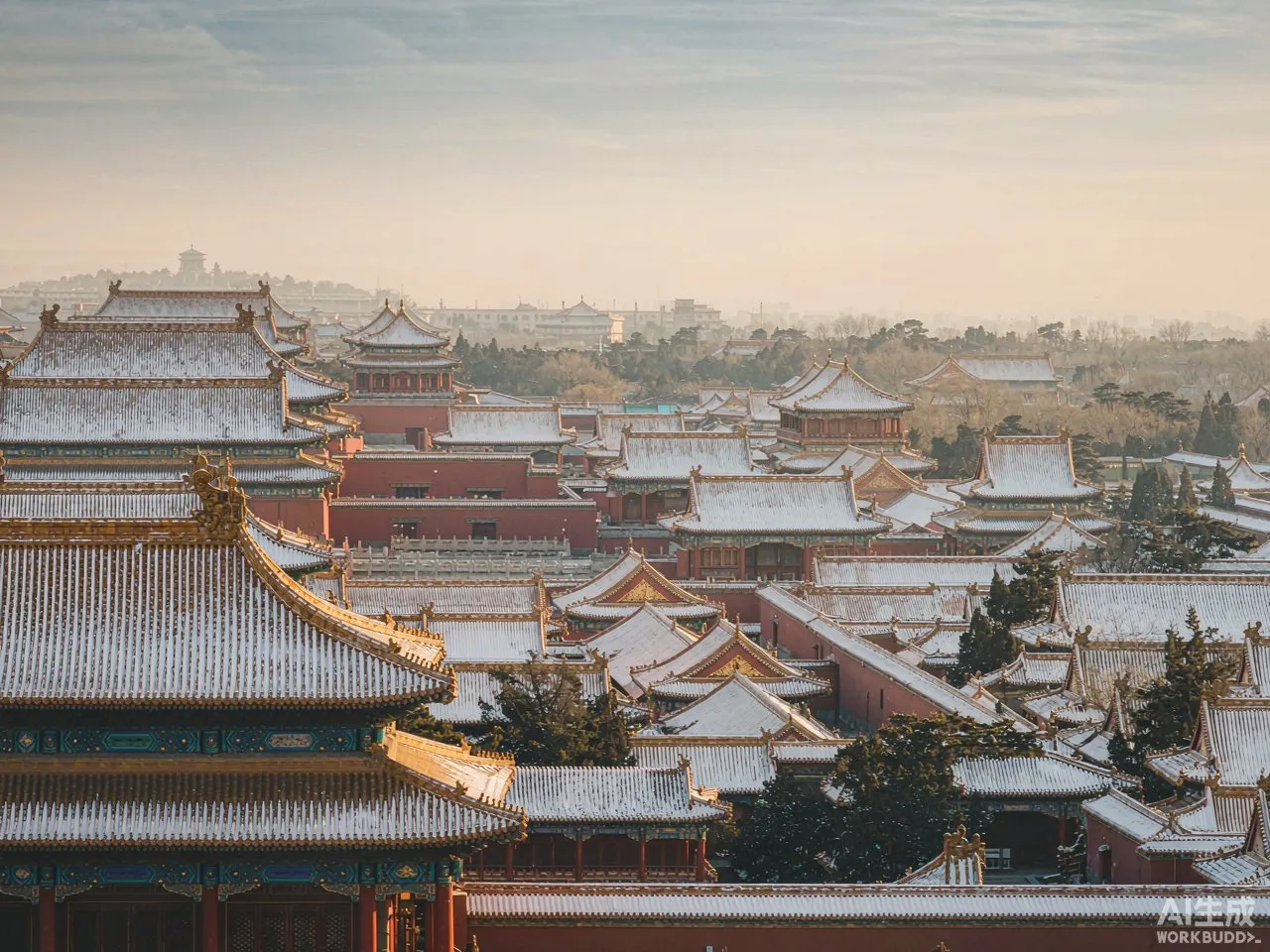
No tickets at the gate. Ever. Book online seven days ahead with your passport number, enter from the south, exit north into Jingshan Park.
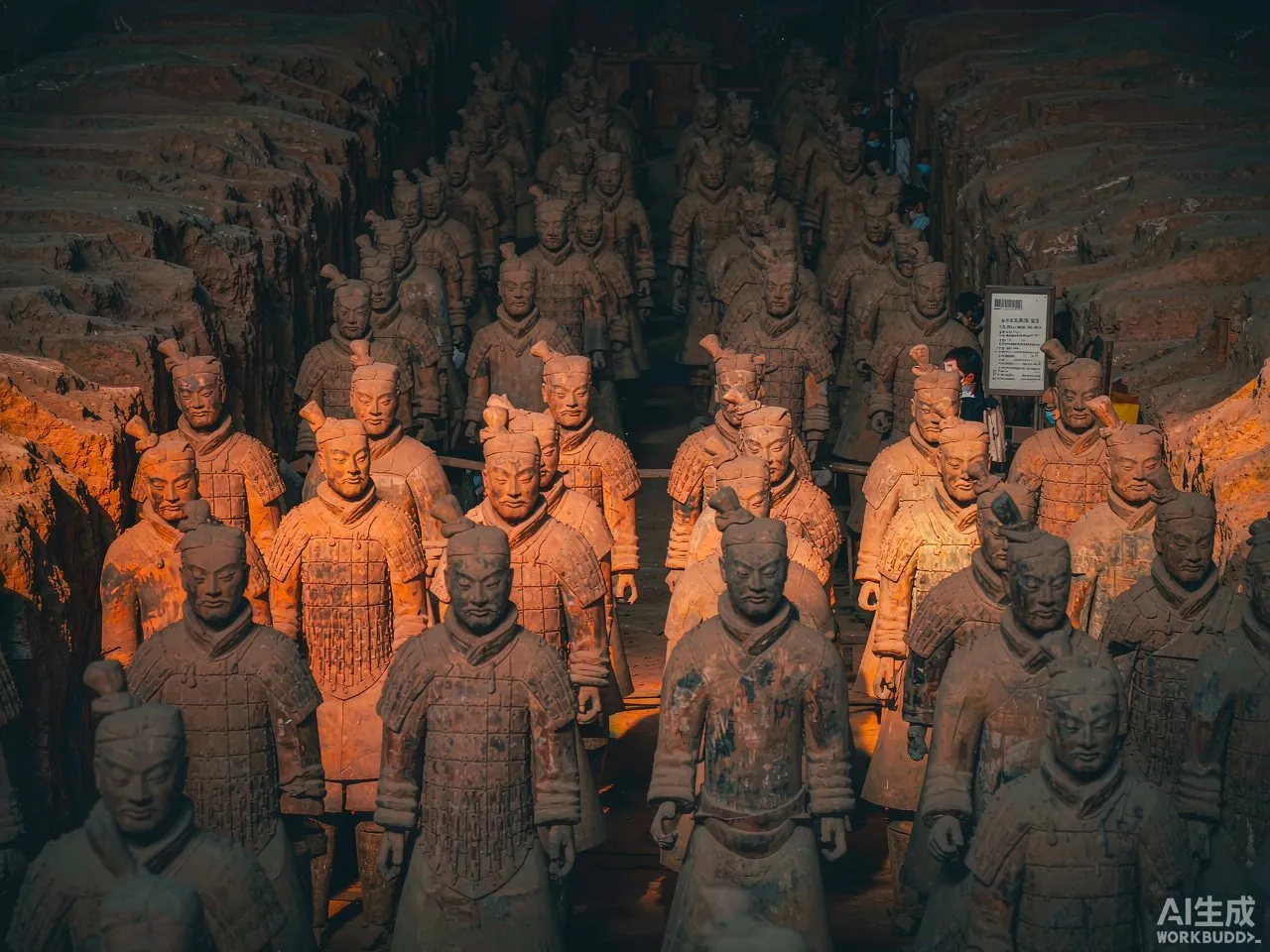
Eight thousand soldiers in three pits, and 25,000 people a day looking at them. The order you visit the pits in decides whether you see anything.

Four days of ticket, three separate cable cars, two entrances and one mountain that became famous in a film it was not actually in.
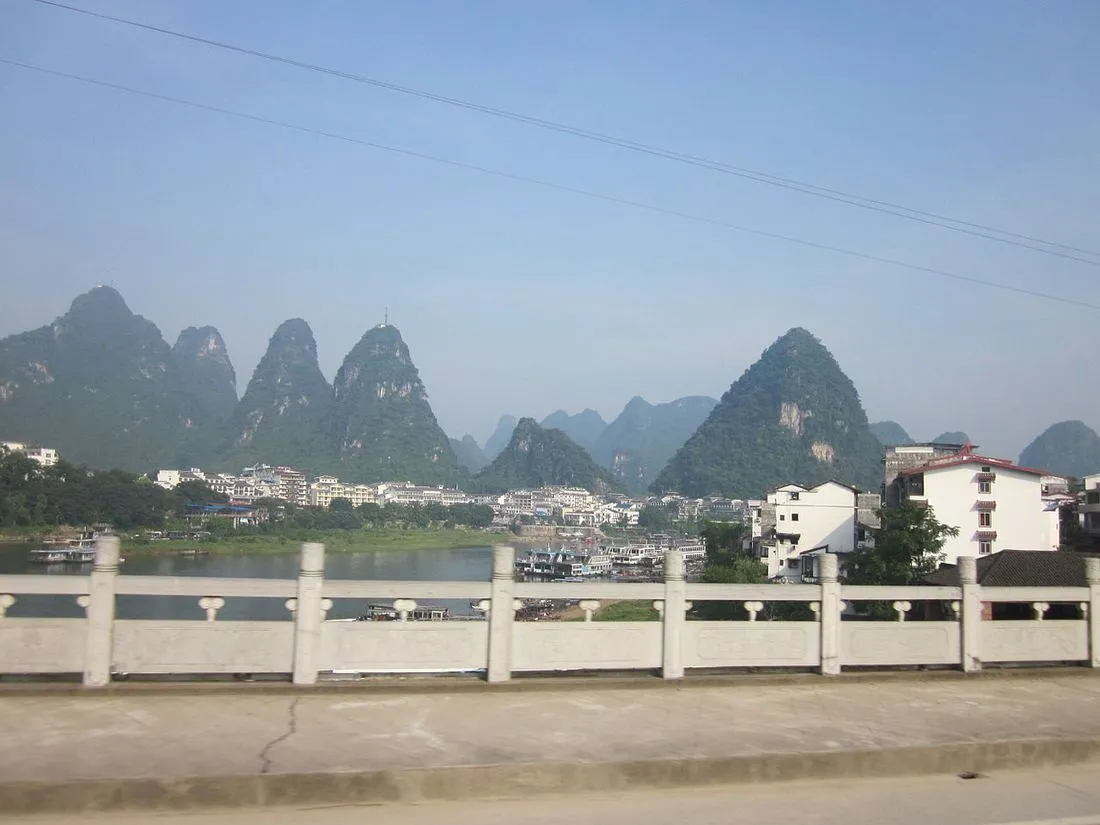
The scenery on the ¥20 note is real, and it is 40 minutes from a town that has become a backpacker theme park. Both facts matter for planning.
Tell us your dates and what you actually want to see. A guide who lives there replies within 24 hours — with a plan and one clear total.